Water Damage Restoration in Chicago: What Homeowners Should Know
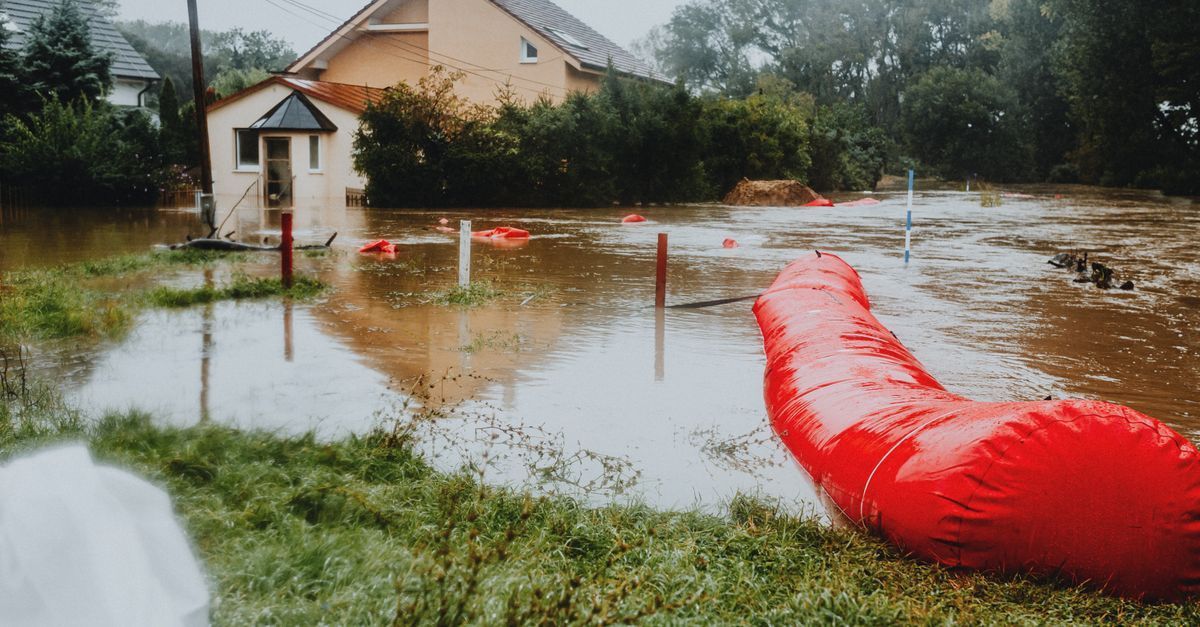
A burst pipe in January or a flooded crawl space after a spring storm can turn into thousands of dollars in damage within hours. Standing water soaks into drywall, flooring, and framing fast, and the longer it sits, the more it costs to fix.
This guide covers what causes water damage in Chicago-area homes, the early warning signs worth watching for, and what
professional water mitigation actually involves. It also covers how insurance fits into the process, so homeowners know what to expect before they need the help.
What Causes Water Damage in Chicago Homes
Chicago's cold winters and heavy spring rainfall both put extra strain on a home's plumbing and drainage. Pipes that freeze and burst, sump pumps that fail during a storm, and ice dams that force water under roofing are common culprits in the colder months. In warmer weather, clogged gutters, foundation cracks, and aging appliance hoses account for a large share of water losses.
Older homes throughout DuPage County communities like Naperville, Wheaton, Glen Ellyn, and Downers Grove often carry added risk from aging plumbing and basements that were never built for today's heavier storm totals.
Warning Signs of Water Damage You Shouldn't Ignore
Some water damage is obvious. Other times it builds quietly behind walls or under flooring for weeks before anyone notices. Watch for:
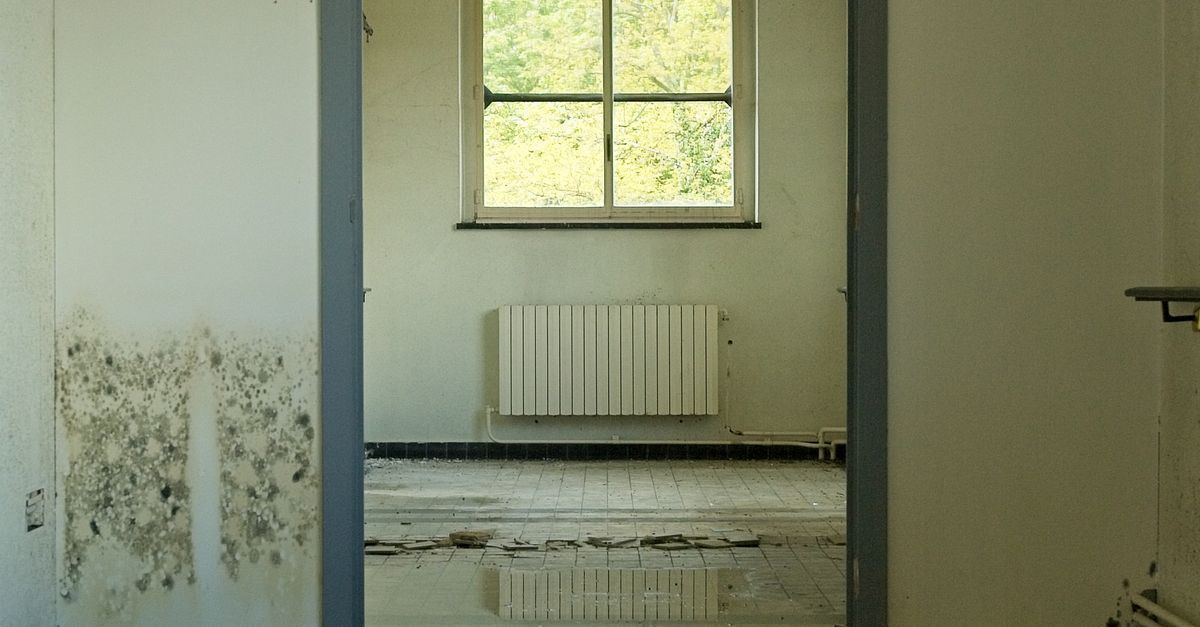
A musty or mildew smell that wasn't there before- Discolored or bubbling patches on walls, ceilings, or baseboards
- Flooring that feels soft, warped, or separates at the seams
- Peeling paint or wallpaper near windows, doors, or the basement
- A sump pump that runs constantly, or a water bill that jumps without explanation
What to Do in the First 24 Hours After Water Damage
The first day after a leak or flood matters more than any other.
1. Shut off the water source if it's safe to reach, and cut power to any affected outlets or appliances.
2. Move furniture, electronics, and valuables away from standing water.
3. Take photos and video of the damage before anything is moved or cleaned, for the insurance claim.
4. Call a water mitigation company. A wet-vac and a box fan can manage a small spill, but saturated flooring, drywall, or insulation needs commercial drying equipment to stop mold before it starts.
How Professional Water Mitigation Works
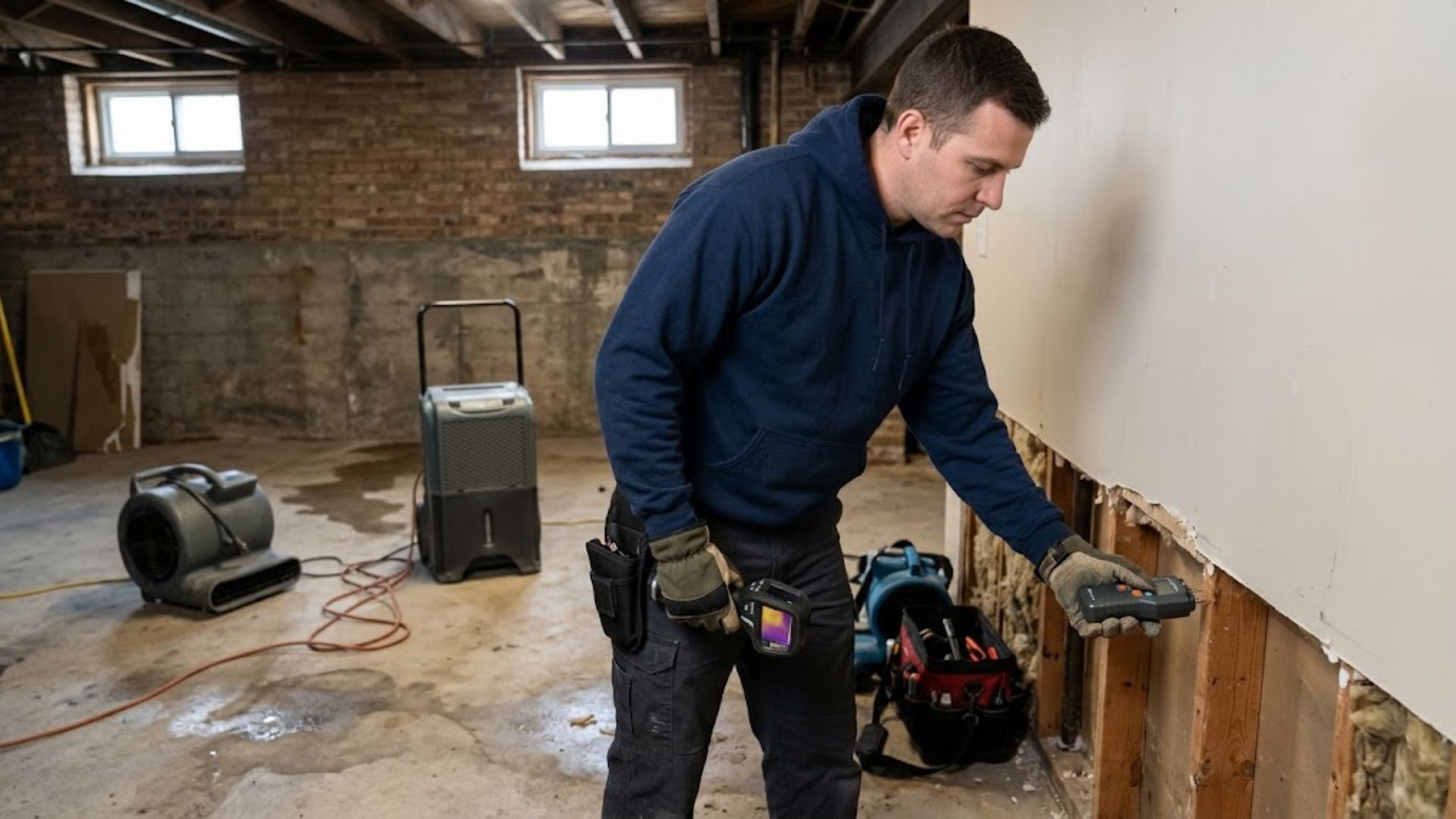
A professional response follows a sequence designed to stop the damage from spreading before drying and repair begin.
1. Inspection and Moisture Mapping
A technician identifies the water's source, the category and class of water involved, and which materials have absorbed moisture. This step determines what can be dried in place and what needs to be removed.
2. Water Extraction
Standing water is pumped or vacuumed out first. Removing bulk water quickly limits how far it travels into subflooring, drywall, and framing.
3. Structural Drying and Monitoring
Once the bulk water is gone, industrial air movers and dehumidifiers bring the affected materials back to a safe moisture level. Technicians check progress daily rather than assuming a fixed timeline, since drying time depends on the materials involved and how long the water sat before anyone responded.
4. Cleaning, Sanitizing, and Odor Control
Materials that contact contaminated water are cleaned and treated before anything is closed back up. This step also addresses lingering odor, which is often the first sign a homeowner notices even after the visible water is gone.
When Water Damage Leads to Mold
Mold can begin developing within one to two days in warm, humid conditions, which makes fast water extraction the best defense against it. If a water-damaged area already smells musty or shows discoloration by the time a mitigation team arrives, it may need a separate mold inspection. Addressing the moisture source without also addressing active mold growth leaves the underlying problem unresolved.
Why Chicago's Climate Makes a Fast Response Important
Chicago winters bring freeze-thaw cycles that stress pipes and foundations, while summer humidity gives any lingering moisture a head start on mold growth. A leak that might dry out on its own in a drier climate can sit and spread for days in a humid Chicago summer, which is part of why response time matters as much as the repair itself.
Working With Your Insurance Company After a Water Loss
Homeowners insurance often covers sudden, accidental water damage, such as a burst pipe or appliance failure, but typically excludes damage from long-term leaks or neglected maintenance. Document everything with photos and keep receipts for any temporary repairs or lodging.
We offer a free on-site assessment and direct insurance billing, so homeowners can get a clear picture of the damage and the claims process without paying out of pocket while the claim is reviewed.
Choosing a Water Damage Restoration Company in Chicago's Western Suburb
Not every restoration company runs the same way. We're owner-run rather than franchise-run, which means our IICRC-certified owner personally oversees every job from the first call to the final walkthrough. That's different from a call center model, where the technician on site may have no direct connection to the person who answered the phone.
We serve homeowners throughout DuPage County, including
Naperville,
Wheaton, Glen Ellyn,
Lombard,
Elmhurst, Lisle,
Hinsdale, Oak Brook, and Carol Stream, with a dedicated truck ready to respond when water damage happens.
Frequently Asked Questions
How much does water damage restoration cost in Chicago?
Cost depends on how much water was involved, which materials were affected, and how long the water sat before it was addressed. We offer a free on-site assessment so homeowners get a clear picture before any work begins.
How long does it take to dry out a flooded basement?
Drying time varies with the extent of the damage, the materials involved, and ambient humidity. A technician monitors moisture levels directly rather than relying on a fixed number of days, and will update you as drying progresses.
Is water damage covered by homeowners insurance?
It depends on the cause. Sudden events like a burst pipe are typically covered, while damage from a slow leak or deferred maintenance often isn't. Your policy's specific language determines what applies.
Can I handle minor water damage myself?
A small spill from a dishwasher or sink overflow can often be managed with towels and a fan if it's caught immediately. Anything that has soaked into flooring, drywall, or insulation needs professional extraction and drying to prevent mold.
What should I do if I find mold after a water leak?
Stop using the affected area and avoid disturbing the mold, which can release spores into the air. A mold inspection can confirm the extent of the growth and what remediation is needed.
Does Guardian Property Rescue work with my insurance company?
We offer direct insurance billing and a free on-site assessment to help homeowners move through the claims process more easily. Confirm your specific coverage details with your insurer before work begins.
Key Takeaways on Water Damage Restoration in Chicago
Water damage rarely waits for a convenient time, and the first 24 hours determine how much of the repair is drying versus rebuilding. Watch for musty odors, soft flooring, and discolored walls, and address a leak's source immediately rather than waiting to see if it dries on its own.
If your DuPage County home has standing water, a failed sump pump, or signs of a slow leak, Guardian Property Rescue offers a free on-site assessment and direct insurance billing to help you move quickly.
Call (224) DRY PROS to reach our owner-run team.
Recent Posts